Unlock Your Confidence:
Stop Hair Loss
Today!
Expert tips and solutions for effective hair loss prevention.

About Us
At Hair Loss Prevention Tips, we are dedicated to empowering individuals with the knowledge and strategies needed to prevent hair loss. Our mission is to promote confidence by providing evidence-based insights and practical solutions.

1. General Hair Loss Awareness
Hair loss affects millions of men and women every year, and it can have a serious impact on confidence and self-esteem. While genetics play a major role, factors like stress, diet, and scalp health also contribute. The good news? Modern hair growth solutions make it easier than ever to support your scalp, strengthen roots, and stop hair loss before it progresses further. Read more here.
2. Stop Hair Loss Naturally

Natural Ingredients
Looking for a way to stop hair loss without harsh chemicals or expensive treatments? Natural ingredients like He Shou Wu, Ginseng, and Licorice have been used for centuries to support healthy hair growth. By nourishing the scalp and revitalizing dormant follicles, these plant-powered compounds can help reduce shedding and promote stronger, fuller strands. Click here to read more.
3. Regain Confidence Through Hair Growth

Healthy Hair Habits
There’s nothing more empowering than seeing new hair growth where thinning once took over. Whether you’re noticing early signs of receding or already struggling with visible bald spots, taking action today can make all the difference. With the right shampoo system and a consistent routine, you can support thicker, healthier hair and regain the confidence you deserve. Keep reading...
4. Hair Growth Myths vs. Reality
Don't Be Deterred
One of the biggest myths about hair loss is that nothing can be done to slow it down. In reality, science-backed ingredients and scalp care routines can make a significant difference. From stimulating dormant follicles to improving circulation at the root level, modern hair growth solutions are changing the way people approach thinning hair. Myths busted!
5. Prevention Is Key

Hair Care Routine
The best time to stop hair loss is before it becomes advanced. By taking steps early—such as improving scalp health, using proven growth-activating formulas, and adopting a consistent care routine—you can preserve thickness and encourage ongoing hair growth. Prevention today means stronger, fuller hair tomorrow. Keep reading for more info.
Our Recommendation:
Spartan Root Activator Shampoo
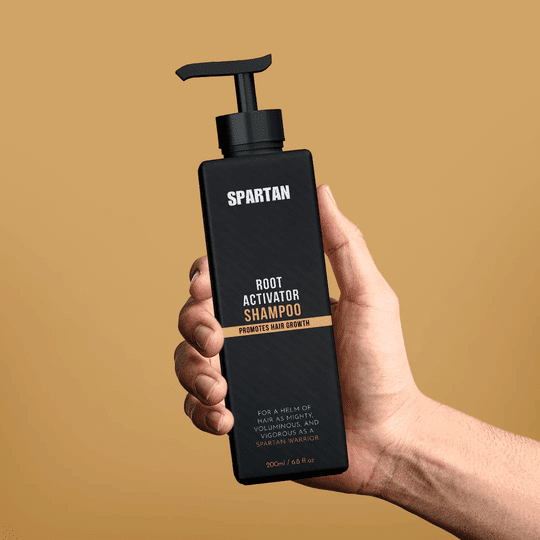
If you’ve been searching for a real solution to thinning hair and hair loss, we believe Spartan Root Activator Shampoo stands out from the rest. Unlike ordinary shampoos that only cleanse, Spartan is specifically formulated to nourish the scalp, activate dormant follicles, and support visible regrowth. It’s not just about washing your hair — it’s about transforming it from the roots up.
What makes Spartan unique is its use of proven, plant-powered ingredients like He Shou Wu, Ginseng, Licorice, Peppermint, and Rosemary. These aren’t just buzzwords — they’ve been trusted for centuries in traditional remedies, and now modern science confirms their benefits for hair growth and scalp health. Combined with Melatonin and other natural extracts, the formula is designed to strengthen, thicken, and even help restore natural color to your hair over time.
Plus, Spartan goes above and beyond with value. Every order includes free worldwide shipping, a scalp massage brush to boost circulation, and a bonus soap bar — all backed by a 90-day money-back guarantee. That means you can try it risk-free and see if it works for you.
In our opinion, Spartan Root Activator Shampoo is more than a hair care product — it’s a confidence restorer. If thinning hair has been holding you back, this is a powerful, natural way to take back control. We highly recommend giving it a try and experiencing the difference for yourself.